Protein is one of the most important nutrients for building and maintaining muscle, supporting recovery, and keeping you satisfied after meals. Whether your goal is weight loss, muscle growth, better fitness, or simply a healthier diet, getting enough protein can make a significant difference.
But there is one question almost everyone asks: How Much Protein Should You Eat Per Day?
The answer isn’t the same for everyone. Your ideal protein intake depends on your body weight, activity level, age, diet, and fitness goal. Someone who rarely exercises will have different needs from someone who strength trains several times a week.
The good news is that you don’t need to make protein complicated. Once you understand your goal and body weight, you can estimate a practical daily target and then divide it across your meals.
How Much Protein Should You Eat Per Day? Start With Your Goal
Before calculating your protein needs, decide what you’re trying to achieve.
A person focused on general health may not need as much protein as someone trying to build muscle. Similarly, someone losing weight may want enough protein to help maintain lean muscle while reducing overall calorie intake.
A practical range can look like this:
| Goal | Approximate Protein Range |
| General health | Around 0.8 g/kg |
| Regular exercise | Around 1.2–1.6 g/kg |
| Weight loss & muscle preservation | Around 1.2–1.6+ g/kg |
| Muscle building | Around 1.6–2.0 g/kg |
| Highly active individuals | Around 1.6–2.2 g/kg |
These are general ranges, not strict rules. Individual needs can vary depending on training, age, body composition, dietary intake, and other factors.
Protein Calculator: Find Your Daily Target
You can estimate your protein target with a simple formula:
Body weight in kilograms × protein target = daily protein requirement
For example, if you weigh 70 kg and choose a target of 1.6 g/kg:
70 × 1.6 = 112 grams of protein per day
If you use pounds, divide your weight in pounds by 2.2 to get kilograms.
For example:
154 lb ÷ 2.2 ≈ 70 kg
You can then use the same calculation.
Quick Protein Target Table
| Body Weight | 1.2 g/kg | 1.6 g/kg | 2.0 g/kg |
| 50 kg | 60 g | 80 g | 100 g |
| 60 kg | 72 g | 96 g | 120 g |
| 70 kg | 84 g | 112 g | 140 g |
| 80 kg | 96 g | 128 g | 160 g |
| 90 kg | 108 g | 144 g | 180 g |
You don’t necessarily need to choose the highest number. Your goal and activity level should determine where you fall within an appropriate range.
How Much Protein Should You Eat Per Day for Weight Loss?
Protein can be particularly helpful during weight loss because it can make meals more satisfying while helping you maintain muscle as you reduce calories.
However, protein isn’t a magic weight-loss food. Losing body fat still depends on your overall calorie intake, activity, sleep, and consistency.
For example, someone weighing 70 kg who is actively training while trying to lose weight might choose a target around 1.4–1.6 g/kg, giving approximately 98–112 grams of protein per day.
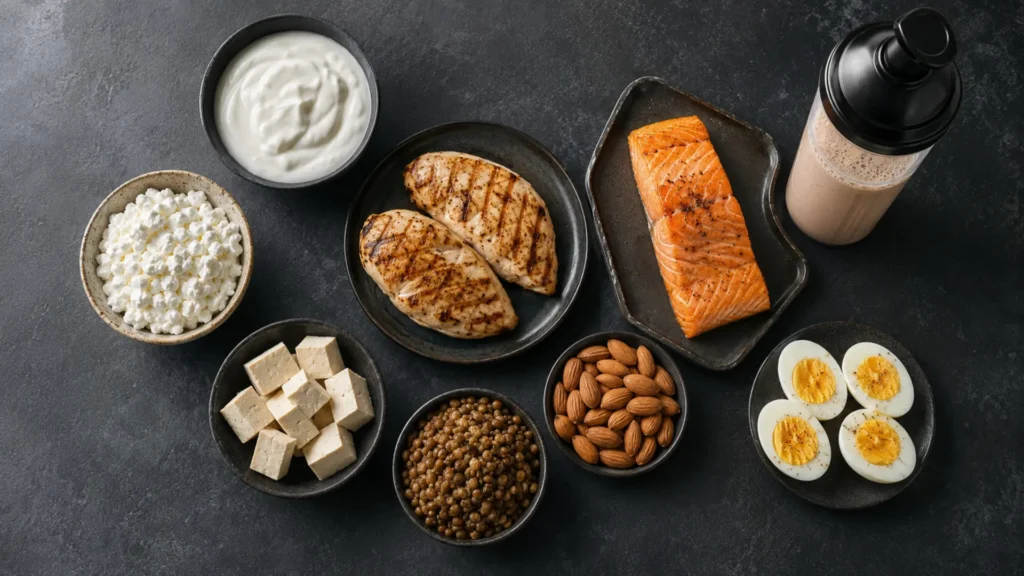
You also don’t need to eat only “diet foods.” Chicken, eggs, fish, Greek yogurt, lentils, beans, tofu, and other protein-rich foods can all fit into a balanced weight-loss diet.
If reducing abdominal fat is one of your goals, remember that you can’t specifically choose where your body loses fat. A consistent nutrition and exercise routine is more useful than trying to target belly fat with individual exercises. This connects well with how to lose belly fat, especially if you’re trying to separate realistic fat-loss strategies from common myths.
How Much Protein Should You Eat Per Day for Muscle Building?
If muscle growth is your main goal, protein works together with resistance training and recovery.
A commonly used range for people who regularly perform strength training is around 1.6–2.0 g/kg per day.
For a 60 kg person, that would equal approximately 96–120 grams per day.
But eating more protein isn’t automatically going to produce more muscle. Your muscles also need an appropriate training stimulus, enough total nutrition, and adequate recovery.
If you’ve taken a break from training and want to rebuild muscle, protein can support the process, but resistance training remains essential. Gradually increasing training demands rather than immediately doing excessive workouts is a more sustainable approach.
How Much Protein Should You Eat Per Day If You Exercise?
Your activity level affects your protein needs.
If you regularly perform strength training, cardio, sports, or other demanding activities, your body has greater recovery demands than someone who is mostly sedentary.
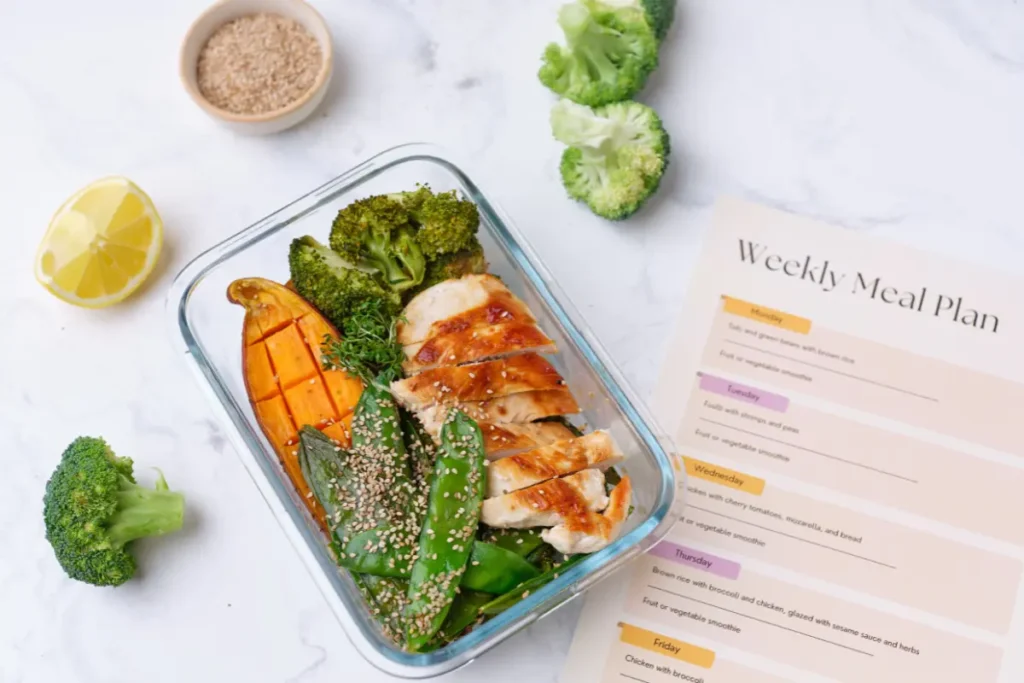
Instead of consuming most of your protein at dinner, try spreading it throughout the day.
For example:
- Breakfast: 25 g
- Lunch: 30 g
- Snack: 15–20 g
- Dinner: 30–35 g
This makes your daily target easier to reach without having to eat an enormous amount of protein in one sitting.
Your overall training plan matters too. If you’re unsure how to organize strength training, cardio, recovery, and rest throughout the week, How To Build Your Own Workout Routine can help you create a more structured schedule.
How Much Protein Should You Eat Per Day in Each Meal?
Your daily total is important, but distributing protein across meals can make your diet easier to manage.
Instead of having a breakfast with almost no protein and trying to consume half your daily target at dinner, include a protein source in most meals.
Around 20 Grams of Protein
A meal or snack containing around 20 grams of protein could include:
- Greek yogurt with seeds
- Two to three eggs with another protein source
- Cottage cheese with fruit
- A small serving of chicken
- Milk combined with another protein-rich food
Around 30 Grams of Protein
You could build a meal around:
- Chicken with rice and vegetables
- Tuna with whole-grain bread and salad
- Greek yogurt with oats and seeds
- Tofu with vegetables and noodles
Around 40 Grams of Protein
A larger meal might combine:
- Chicken breast with rice and vegetables
- Fish with Greek yogurt-based sauce and potatoes
- Lean meat with beans and vegetables
- Tofu or tempeh with legumes and whole grains
Exact protein amounts depend on portion sizes, so check food labels when precise tracking is important.
High-Protein Foods: What Should You Eat?
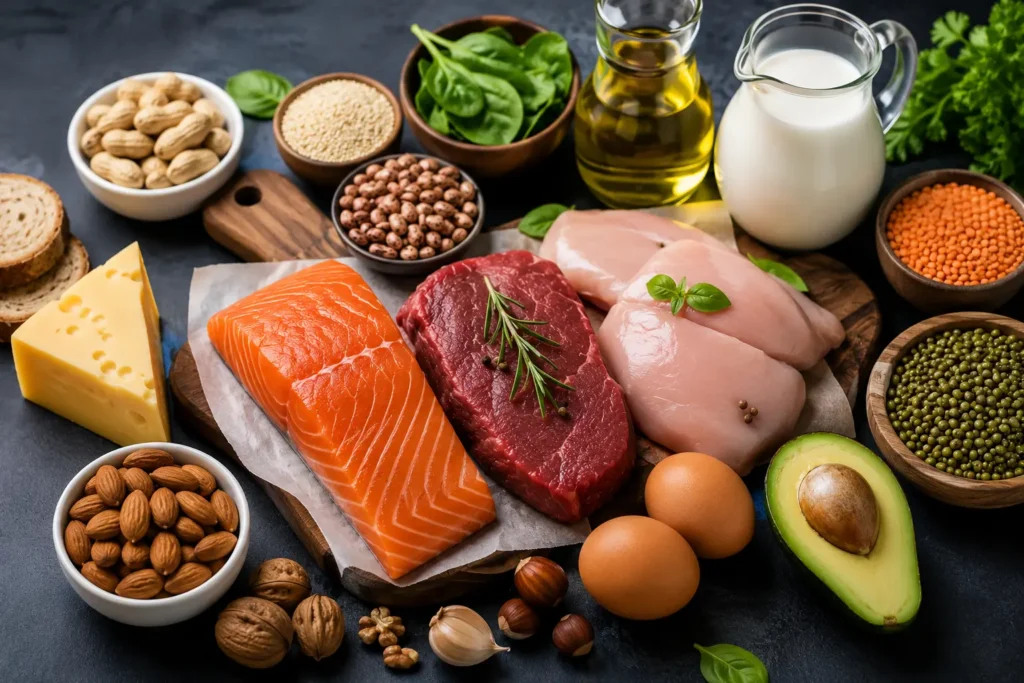
You don’t need expensive foods to increase your protein intake.
| Food | Approximate Protein |
| 2 large eggs | 12–13 g |
| 100 g chicken breast | ~30 g |
| 100 g fish | ~20–25 g |
| 170 g Greek yogurt | ~15–18 g |
| 1 cup milk | ~8 g |
| 1 cup cooked lentils | ~18 g |
| 1 cup cooked chickpeas | ~14–15 g |
| 100 g tofu | ~8–15 g |
| 30 g nuts | ~5–7 g |
The exact amount varies between foods and brands, so these figures should be treated as approximate.
Animal vs. Plant Protein
Animal-based foods such as eggs, dairy, chicken, fish, and meat can provide substantial amounts of protein.
Plant-based options include lentils, beans, chickpeas, tofu, tempeh, peas, nuts, and seeds.
Vegetarians and vegans can meet their protein needs by eating a variety of plant-based protein sources throughout the day. Combining different foods also makes it easier to create balanced meals.
Protein shouldn’t replace other important nutrients. Carbohydrates, healthy fats, vegetables, fruit, and fiber all have important roles in a balanced diet.
That’s why fiber vs protein shouldn’t really be treated as a competition. They perform different functions, and a healthy diet can include plenty of both.
What Does 100 Grams of Protein Look Like?
“100 grams of protein” can sound difficult to reach until you divide it across a normal day.
Here’s one example:
Breakfast:
2–3 eggs + Greek yogurt → approximately 25–30 g
Lunch:
Chicken breast + rice + vegetables → approximately 30–35 g
Snack:
Milk + Greek yogurt → approximately 15–20 g
Dinner:
Fish + potatoes + vegetables → approximately 25–30 g
That can bring the day’s total close to 100 grams without requiring multiple protein shakes.
Your own target may be lower or higher depending on your body weight and goal.

Affordable High-Protein Foods
Eating enough protein doesn’t have to be expensive.
Some budget-friendly options include:
- Eggs
- Milk
- Yogurt
- Lentils
- Chickpeas
- Beans
- Canned tuna
- Cottage cheese
- Tofu
- Peas
Buying larger packages, preparing meals at home, and using a mixture of animal and plant sources can also help reduce the cost of a high-protein diet.
The goal isn’t to buy the most expensive protein product. It’s to consistently include nutritious protein sources in meals that fit your budget.
Do You Need Protein Powder?
No. Protein powder is convenient, but it isn’t essential.
If you’re already meeting your protein target through foods, you don’t need to add a shake simply because you’re exercising.
Protein powder can be useful when:
- You have a busy schedule.
- You struggle to eat enough protein.
- You need a convenient post-workout option.
- You have limited access to protein-rich foods.
Whole foods also provide other nutrients, so supplements shouldn’t be viewed as a replacement for a balanced diet.
Timing can be useful for convenience, but your overall daily intake is more important than obsessing over a specific minute of the day. If you’re unsure about timing around workouts, best time to take protein explains how protein can fit into your training and meal schedule.
Should Protein Intake Change on Rest Days?
You don’t need to completely remove or dramatically reduce protein on rest days.
Your body continues recovering after a workout, even when you’re not exercising. Maintaining a consistent protein intake can therefore make sense throughout the week.
Think of protein as part of your daily nutrition rather than something that only matters immediately before or after a workout.
Your training schedule should also include recovery. Even if your goal is weight loss, doing more exercise every day isn’t necessarily better. A balanced routine can include strength training, cardio, active recovery, and rest.
Protein and Strength Training for Women
Strength training can be useful for women who want to improve strength, support muscle maintenance, and change body composition.
Adequate protein provides the building blocks needed for muscle repair, while resistance exercise gives your muscles a reason to adapt.
Women don’t need to avoid protein because they’re worried about becoming “too bulky.” Building significant muscle takes consistent training, appropriate nutrition, and time.
For anyone new to resistance training, strength training for women can be a useful starting point for understanding how strength workouts can be adjusted to different goals and fitness levels.
Common Protein Mistakes
Eating more protein is only helpful when it fits into a balanced diet.
1. Eating Almost All Protein at Dinner
Spread protein across your meals instead of trying to consume most of your daily target at night.
2. Relying Too Much on Supplements
Protein shakes are convenient, but whole foods should remain an important part of your diet.
3. Ignoring Calories
High-protein foods can still contain significant calories. Weight loss requires attention to your overall energy intake.
4. Forgetting Fiber and Micronutrients
Don’t build your entire diet around protein. Vegetables, fruit, whole grains, and other nutrient-rich foods still matter.
5. Thinking More Is Always Better
Once your protein needs are adequately covered, adding substantially more doesn’t automatically mean faster muscle growth or weight loss.
6. Expecting Protein to Replace Training
Protein supports muscle repair and maintenance, but it doesn’t replace resistance exercise.
If you’re training at home, progressive overload can still be achieved without traditional gym equipment. How to Make Bodyweight Workouts Harder explains ways to make familiar exercises more challenging as your strength improves.
How Much Protein Should You Eat Per Day? A Simple Decision Guide
If you’re still unsure where to start, use this basic process:
Step 1: Calculate your weight in kilograms.
Step 2: Identify your goal.
Step 3: Choose an appropriate protein range.
Step 4: Multiply your body weight by your target.
Step 5: Divide your protein across several meals.
For example:
70 kg × 1.6 g = 112 g/day
Then build meals around protein-rich foods until you are reasonably close to your target.
You don’t need to hit the exact number every single day. A consistent average over time is more realistic.
Frequently Asked Questions
Can protein help you lose weight?
Protein can support weight-loss efforts by helping with fullness and muscle maintenance, but it doesn’t cause fat loss by itself. Overall calorie intake and physical activity remain important.
Do I need protein powder to build muscle?
No. You can build muscle while getting protein from eggs, dairy, meat, fish, legumes, soy foods, and other whole foods.
Can vegetarians get enough protein?
Yes. Lentils, beans, chickpeas, tofu, tempeh, dairy, eggs, and other foods can contribute to a high-protein vegetarian diet.
Should I eat protein on rest days?
Yes. Recovery continues after exercise, so maintaining adequate protein intake throughout the week can support your overall training.
Is 100 grams of protein enough?
It depends on your body weight and goal. For some people, 100 grams may be appropriate; for others, it may be too little or more than necessary.
Can I eat too much protein?
Very high protein intakes aren’t automatically better. Your overall diet should remain balanced, and people with specific medical or dietary concerns should discuss their protein intake with a qualified healthcare professional.
Conclusion
The right amount of protein depends on your body, your activity level, and your goal.
Someone focused on general health may need considerably less protein than someone who strength trains and wants to build muscle. Likewise, someone trying to lose weight may benefit from paying particular attention to adequate protein while maintaining an appropriate calorie intake.
Rather than chasing an extreme number, calculate a reasonable target, spread protein across your meals, and choose a variety of nutritious foods.
Protein works best as part of a bigger picture that includes resistance training, cardiovascular activity, adequate sleep, recovery, and a balanced diet. Consistent, evidence-based habits are far more valuable than constantly changing your routine based on fitness trends.
Whether you’re working toward muscle growth, weight loss, or simply becoming stronger and healthier, science backed fitness tips can help you focus on sustainable habits instead of short-term fixes.
And if your schedule is busy, remember that even a well-structured 30 minutes workout plan can help you stay active when you don’t have an hour to spend exercising.
The goal isn’t to eat as much protein as possible. The goal is to eat enough protein to support your body while maintaining a balanced, sustainable diet you can follow long term.