
Trying to lose belly fat in 2 weeks can feel frustrating when you are working hard but not seeing the results you want. The good news is that you do not need a crash diet or hours of cardio to make a healthy start.
While you cannot choose exactly where your body loses fat, you can support overall fat loss by making smarter food choices, staying active, strength training, getting enough sleep, and staying consistent.
In this guide, you will learn how to lose belly fat in 2 weeks with a simple diet and workout approach that you can follow at home or in the gym. You will also learn what results you can realistically expect in 14 days and which common mistakes to avoid. It also covers how to support muscle while losing fat and includes a simple 30 minute workout plan you can follow at home or in the gym.
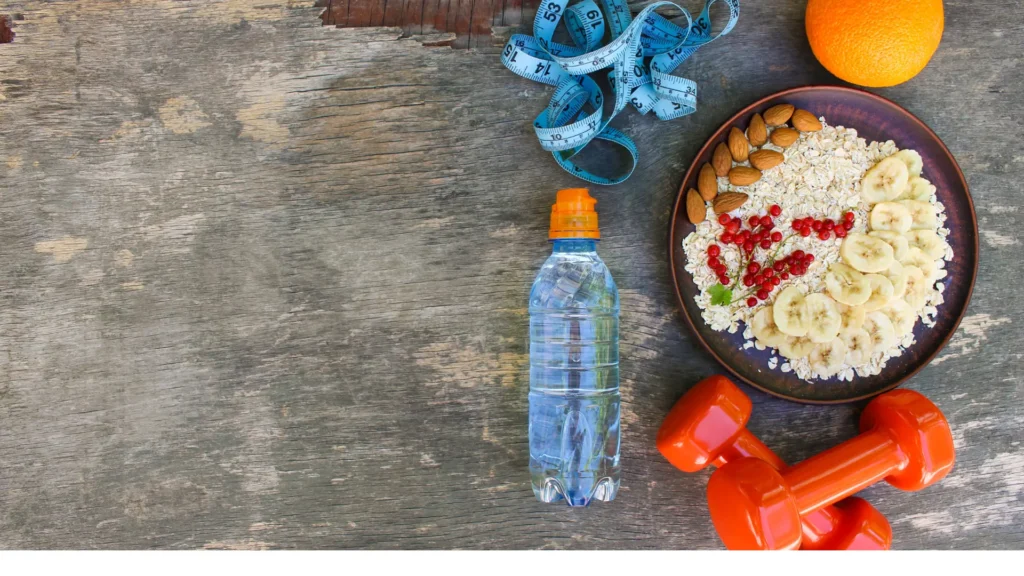
Can You Really Lose Belly Fat in 2 Weeks?
Let’s be realistic: no workout or diet can remove fat from only your stomach. When people ask how to lose belly fat in 2 weeks, they usually want a flatter stomach, a smaller waist, and visible progress.
A moderate calorie deficit, regular exercise, enough protein, good sleep, and consistency can help reduce overall body fat. You may also notice less bloating and a leaner-looking waist within two weeks. The amount of change varies from person to person.
The key is to focus on four things:
Food
Choose nutritious foods and maintain a moderate calorie deficit.
Exercise
Combine strength training, cardio, and regular movement.
Sleep
Aim for 7–9 hours of quality sleep each night.
Routine
Stick to your healthy habits and workout routine every day.
Step One: Improve Your Food Choices
You cannot out-exercise an unhealthy diet. If your goal is to lose belly fat in 2 weeks, your food choices should be one of your main priorities.
Create a Moderate Calorie Deficit
Your body needs to use more energy than you consume over time to lose body fat. A moderate calorie deficit can support fat loss while helping you maintain your energy and muscle.
Avoid extreme calorie restriction or crash diets. Losing weight too quickly can make it harder to maintain your results and may increase the risk of losing muscle.
Limit Sugary Drinks and Highly Processed Foods
Sugary drinks, sweets, fried snacks, and highly processed foods can add a lot of calories without keeping you full for long. Reducing these foods can make it easier to maintain a calorie deficit.
Instead, focus more on whole foods such as vegetables, fruits, lean protein, whole grains, and healthy sources of fat.
Eat More Protein
Protein helps you feel full and supports muscle repair and maintenance while you lose fat. Try to include a protein source in your meals, such as eggs, chicken, fish, Greek yogurt, beans, lentils, or tofu.
If you are interested in supporting muscle growth, read our best time to take protein for more information about protein timing.
Drink Plenty of Water
Staying hydrated supports normal digestion and can help you avoid confusing thirst with hunger. Drinking enough water may also help reduce some types of bloating.
Make water your main drink and limit sugary beverages when possible.
Step Two: Follow A Smart Workout Plan
Exercise can support overall fat loss, improve fitness, and help you maintain muscle. You do not need to spend hours doing cardio or hundreds of sit-ups.
A combination of strength training, core exercises, and regular movement can be more useful than focusing only on abdominal exercises.
For a simple structured routine, see our Strength training for women.
Warm Up
Start with around five minutes of light movement. Try:
- Easy jogging or marching in place
- Arm circles
- Hip rotations
- Bodyweight squats
A warm-up prepares your body for exercise and helps you move more comfortably.
Strength Circuit
Perform each exercise for about 40 seconds, followed by 20 seconds of rest. Complete the circuit up to three times based on your fitness level.
Try:
- Push-ups
- Bodyweight squats
- Reverse lunges
- Planks
- Mountain climbers
Strength exercises can help maintain and build muscle while you work toward reducing overall body fat.
If you want to make bodyweight exercises more challenging, check out how to make body weight workouts harder.
Core Finisher
After your strength circuit, you can add a short core session.
Try:
- Bicycle crunches
- Leg raises
- Russian twists
- Plank holds
Core exercises can strengthen your abdominal muscles, but remember that they cannot specifically burn belly fat. Overall fat loss comes from reducing body fat across the body.
Step Three: Prioritize Sleep and Manage Stress
Sleep and recovery are often overlooked when people want to lose weight quickly.
Try to get around seven to nine hours of sleep each night. Poor sleep can make it harder to manage hunger, energy levels, and workout recovery.
Stress management also matters. Simple habits such as walking, stretching, deep breathing, or taking short breaks during the day can help you manage everyday stress.
Step Four: Track Progress The Right Way
Do not rely only on the number on your bathroom scale.
You can also track:
- Waist measurements
- Progress photos
- How your clothes fit
- Workout performance
- Energy levels
Your weight can change because of water, food, and other factors. Tracking several signs of progress gives you a better idea of how your body is changing.

Sample Two Week Plan
Week One
Focus on building consistency.
- Replace sugary drinks with water
- Include protein in your meals
- Eat more whole foods
- Follow the workout plan around 3–5 days
- Stay active throughout the day
- Get enough sleep
Week Two
Continue the habits from week one.
- Keep your meals balanced
- Maintain a moderate calorie deficit if appropriate
- Continue strength and core workouts
- Increase workout intensity gradually if you feel ready
- Stay hydrated
- Prioritize sleep and recovery
After two weeks, you may notice reduced bloating, better energy, improved fitness, or some change around your waist. Bigger fat-loss results usually require more time and consistent habits. You can also explore our science backed fitness tips for more evidence-based fitness habits.
Common Mistakes To Avoid
Doing Only Cardio
Cardio can be useful for improving fitness and increasing energy expenditure, but you do not need to rely on cardio alone.
Combining resistance training with regular movement can help you maintain muscle while working toward fat loss.
If you want to learn more about muscle recovery, read our rebuild muscle.
Following an Extreme Diet
Very restrictive diets may cause quick changes on the scale, but they are difficult to maintain and can make it harder to get enough nutrients.
Focus on sustainable eating habits instead.
Ignoring Rest Days
Your body needs recovery. Training harder every day does not necessarily mean faster results.
Give your muscles time to recover, especially after challenging workouts.
Expecting to Lose Fat Only From Your Belly
One of the biggest misconceptions about belly fat is that you can choose where your body loses fat.
Ab exercises can strengthen your core, but they cannot guarantee that fat will disappear specifically from your stomach. Overall fat loss is what can eventually reduce belly fat.
Final Thoughts
If your goal is to lose belly fat in 2 weeks, focus on realistic habits rather than quick fixes. A balanced diet, regular strength training, daily movement, enough sleep, and consistency can help you make progress without relying on extreme methods.
Two weeks may not be enough to completely transform your body, but it can be enough time to build better habits, reduce some bloating, improve your fitness, and start working toward a leaner waist.
For more workout guidance, explore How To Build Your Own Workout Routine and learn how to create a routine that fits your goals.
Frequently Asked Questions
Can you really lose belly fat in 2 weeks?
You may notice some changes in two weeks, especially from reduced bloating and improved eating and exercise habits. However, you cannot specifically target belly fat, and the amount of actual fat loss varies between individuals.
What is the best way to lose belly fat in 2 weeks?
Focus on a moderate calorie deficit, nutritious foods, enough protein, regular exercise, daily movement, good sleep, and consistency. Avoid crash diets and unrealistic promises of rapid fat loss.
Can I lose stomach fat in 2 weeks?
You cannot choose exactly where your body loses fat. However, reducing overall body fat through healthy eating and regular activity can eventually reduce stomach fat as well.
Do you need to do cardio every day to see results?
No. You do not need to do cardio every day. A combination of strength training, core exercises, walking, and other forms of regular movement can support your fitness and fat-loss goals.
Will strength training make women bulky?
For most women, regular strength training does not automatically lead to a bulky appearance. It can help build and maintain muscle, improve strength, and create a more defined look.
What foods should you limit when trying to lose belly fat?
Consider limiting sugary drinks, highly processed snacks, excessive fried foods, and other calorie-dense foods that make it difficult to maintain a calorie deficit. You do not necessarily need to completely eliminate any single food.
Is it safe to try to lose belly fat in 2 weeks?
A moderate approach is generally more appropriate than extreme dieting or excessive exercise. If you have a medical condition, take medication, are pregnant, or have specific dietary concerns, speak with a qualified healthcare professional before making major changes to your diet or exercise routine.
How long does it take to lose belly fat?
There is no exact timeline because fat loss depends on factors such as your starting point, calorie intake, activity level, sleep, genetics, and consistency. Sustainable progress usually takes longer than two weeks.