Being fit doesn’t have to be a secret bout of exercise or getting to the gym each day until you exhaustion. Success is achieved through the application of tested principles to training, nutrition, sleep and recovery. The top Science-Backed Fitness Tips will help you work with your body, instead of against it.
Strength, stamina, weight loss, or energy; it’s all about the same basics. These strategies translate research to action.
2. Take the time to take breaks between sets and training sessions
Your body builds up tolerance to a challenge that is gradually increased. This is called progressive overload and will consistently build strength, muscle mass and physical capacity. Overload with weight, one more rep, better form, more range or less rest.
It doesn’t have to be a major improvement! Small gains are more likely to be sustainable and safe. Write down your workouts, sets, reps, and weights to make smart changes. The more basic the plan, the more consistent it has to be, the better.
When it comes to the best Science-Backed Fitness Tips, one of the most important is consistency over novelty. Wait at least six to twelve weeks for a program to make a difference before making any big changes, unless pain, lack of recovery or lack of improvement indicates that a change needs to be made.
2. Prioritize Strength Training
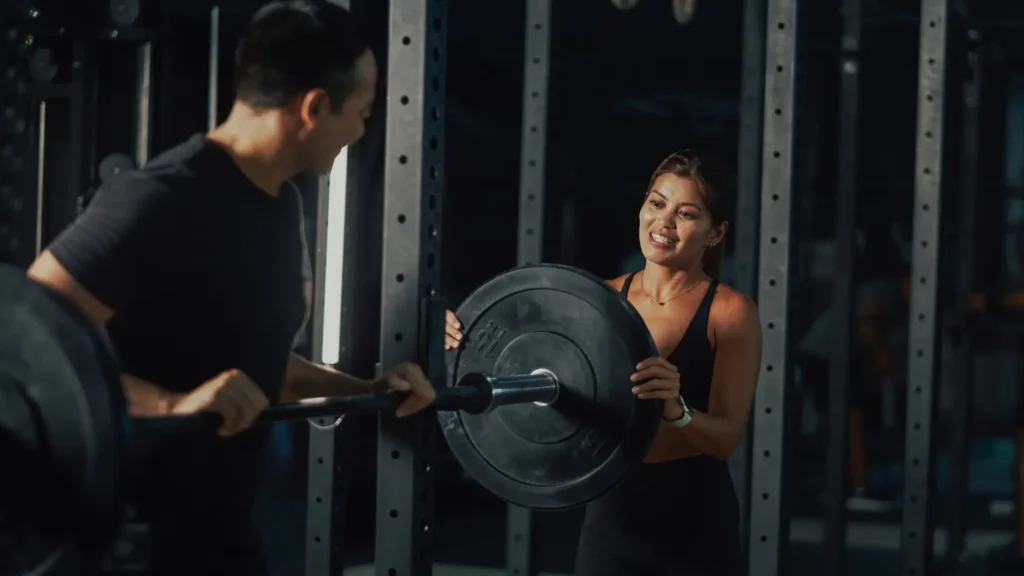
Strength training benefits more than just your looks. It can help to increase the strength of muscles, bone strength, joint function, balance, insulin sensitivity and execution of daily activities. Muscle strengthening activity for all muscle groups should generally be included at least two times each week, as part of the physical activity of adults.
Plan sessions to include squats, hinges, pushes, pulls, carries, and lunges. Body weight, free weights, resistance bands and machines can all work. Select the ones appropriate to your level of experience and mobility.
It’s especially important to get protein, energy and rest after a tough workout to repair damaged tissue and rebuild muscles. Do not over train the same muscles daily. Taking time between high intensity sessions gives you time to recover where necessary to come back with renewed technique and effort, and to avoid unnecessary fatigue.
3. Eat Adequate Amounts of High-quality Protein
Protein is used in the body to maintain and repair tissues, providing amino acids. The active person in general will concentrate protein intake throughout the day rather than in a single meal. A practical serving could provide between 20 and 40 grams of good-quality protein, depending on body size, training requirements, age and objectives.
Eggs, dairy, fish, poultry, lean meat, soy, beans and lentils are useful sources. If meals are filling your needs, there’s no need to supplement.
One of the simplest Science-Backed Fitness Tips is to have a definite protein source available for breakfast, lunch, dinner, and (if necessary) a snack. Protein after training can aid in the recovery process that contributes to rebuilding muscle, but really it’s about your overall protein intake and consistent eating schedule, not a small window.
4. Include Cardiovascular Exercise
Cardiovascular training exercises build up strength in the heart and lungs, supports circulation and enhances endurance. It also has a positive impact on mood, sleep, and metabolic health. Any activity that gets the blood pumping such as walking, running, cycling, swimming, dancing, and recreational sports are considered.
Mostly moderate activity with some vigorous activity can make up a balanced routine. When exercising at moderate levels, talking in short sentences should be possible and during vigorous activity, conversation should become difficult. Short sessions are good for beginners to start with and gradually build up.
The most convenient Science-Backed Fitness Pointers do not compel everyone involved in the very same activity. Choose fun cardio activities that are possible to do multiple times. Walking at a moderate pace can be more beneficial than a super-fancy workout you’re not very fond of.
5. Incorporate HIIT Training into your regular routine in a strategic manner.
High Intensity Interval Training (HIIT) is a training method where short bursts of high intensity are followed by lower intensity recovery intervals. Can be used to improve aerobic fitness efficiently, making it useful for people that do not have a lot of time. But a higher intensity is not always desirable. Lower intensity movement and recovery should be used to complement (not replace) hard intervals.
One of the sessions is easy-to-follow: warm up, six rounds of difficult cycling, six rounds of easy cycling. Strenuous effort should be just a little on the challenging side.
This is the one of the Science-Backed Fitness Tips that needs the most discipline. Many recreational athletes may need only one or two interval sessions per week. When it comes to starting exercise, the less experienced and those with health concerns should first build up a foundation of less strenuous activity and ask for advice where needed.
6. Make sleep a part of your training plan.
Many important recovery processes occur while you’re sleeping. Without proper sleep, an individual may experience decreased reaction time, poor decision making, low mood, reduced appetite, motivation, and exercise performance. Most adults require 7-8 hours of sleep each night, but some need more or less.
Promote better sleep by maintaining a consistent wake schedule, avoiding late caffeine, lowering evening lights, and cooling, quieting, and darkening your sleep environment.
Sleep is right up there with training and nutrition in my list of Science-Backed Fitness Tips. With lack of recovery, the body can’t withstand repeated stress from exercise. Good sleep enables hormones and cells that repair damage and rebuild muscle, as well as focusing you for the next workout.
7. Eat Carbohydrates to Support Performance
Carbohydrates are important fuels for moderate and high intensity exercise. For some individuals, low carbohydrate diets can make the intensity of training more difficult especially if training volume is high.
Eat nutritious foods like fruit, oats, rice, potatoes, whole grain breads and beans. Carbohydrate based meals/snacks can be used for pre-workout fuel. Carbohydrates replenish fuel after a long session.
Carbohydrates + protein after training are good for recovery; carbohydrates for replenishing glycogen and amino acids for repair and rebuilding. There’s no magic formula; yogurt and fruit, eggs and toast, rice bowl with tofu or chicken can all do the job.
8. Stay Hydrated
Exercise can be harder than usual, particularly in hot, humid conditions, even if dehydration is not that severe. A general rule for how much fluid to intake during a workout is not always accurate since it varies by body size, sweat rate, climate, workout length and intensity.
Start exercises while hydrated and drink when thirsty throughout the workout; drink afterwards. If the urine is pale yellow it may indicate that the child is well hydrated, but certain medicines and foods can change the colour of the urine. Electrolytes can be helpful during long, sweat sessions.
One of the Science Backed Fitness Tips that you don’t pay much attention to is the body’s reaction. Selected long sessions can be used to estimate sweat loss by weighing before and after the session. Do not force water as excess hydration may be hazardous.
9. Plan and monitor training load for recovery
The stimulus for improvement is exercise and adaptation happens during recovery. If you experience a running sore that doesn’t seem to heal, a drop in performance, are irritable, having poor sleep and trying extra hard during familiar sessions, then, there is a chance that your training load is too great to handle at this moment.
Schedule less hectic days throughout the week. Walking, mobility work, easy cycling, relaxed swimming or full rest are all components of recovery. Many people experience an occasional “deload” period, which involves lowering the volume and intensity of training.
Smart Training Habits Save for Progress in the Long Run. If you experience sharp pain, swelling or symptoms become more severe, seek advice from a trained health care provider.
10. Monitor Meaningful Outcomes, not just Scale Weight
Body weight is just a single number, and it may vary due to hydration, food, glycogen, hormones, and digestion. There are several measures that are better for evaluating the workout: waist measurement, resting heart rate, energy, sleeping, mood, mobility, and how clothes fit.
Make goals for actions you can take – like doing 3 workouts a week or eating 2 servings of vegetables per day. Periodic review, not responding to changes every day.
The last in this series of Science-Backed Fitness Tips is straightforward – use the data to help you, not punish you. Patterns should be identified through tracking and decisions made based on these patterns. If a metric makes you feel anxious but doesn’t provide useful information, then use a more healthy measure of progress.
How to Put These Tips Into Practice
It’s not necessary to apply everything right away. Begin with a couple of actions for your top two or three blind spots. For instance, do two full body strength sessions per week, walk for 30 minutes most days, and have a regular bedtime. When those habits are habit, make a change with a higher protein, more water or some training change.
The number of strength sessions may be 2 or 3 per week, and the number of moderate sessions of cardio may be 2, with an optional interval cardio session, and easy movement sessions throughout the week. Add well balanced meals and sufficient sleep. On recovery days, provide your body with the tools necessary to rebuild energy, repair damaged tissue and rebuild muscles.
Final Thoughts
Sustained, manageable decisions improves health and performance. Progressive training – build up strength, cardiovascular fitness, eat enough healthy food, drink enough water, respect recovery. Don’t compare your beginning to someone else’s highlight reel.
These Science-Backed Fitness Tips are easy and flexible to use. Select activities that are appropriate to your body & lifestyle, measure what is important & adjust activities as needs change. There is no need to resort to extremes when it comes to becoming stronger, fitter and more resilient.
Looking for more expert fitness tips, nutrition advice, and workout guides? Visit our Home Page to explore the latest health and wellness content.